If you are ordering site boards, estate agent signs or event displays on a deadline, you do not need print jargon. You need to know what is UV printing, what it does well, and whether it is the right fit for the job. In simple terms, UV printing is a digital print process where ultraviolet light cures the ink as it is printed onto the material, creating a sharp, durable finish that is well suited to commercial signage.
That matters because the print is ready almost immediately, the colour sits cleanly on rigid boards, and the finished product can handle day-to-day use better than many lower-grade alternatives. For trade buyers, those are practical advantages, not technical trivia.
What is UV printing?
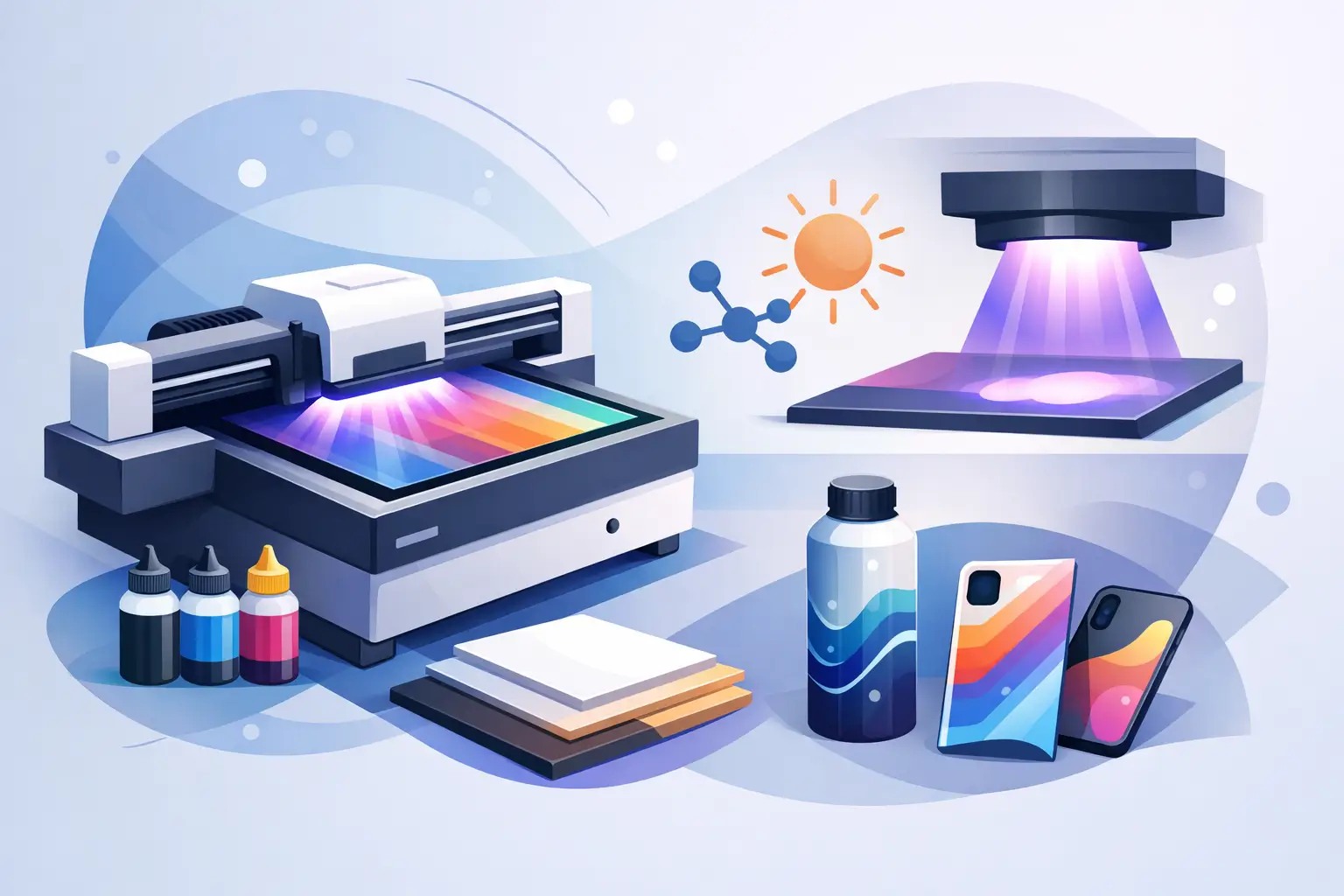
UV printing is a form of digital printing that uses specialised inks cured by ultraviolet light. Instead of relying on the ink to dry naturally over time, the printer applies the ink to the board and UV lamps harden it straight away.
The result is a printed surface that resists smudging, handles transport better and delivers strong image definition. On rigid materials such as correx, foam PVC, dibond and similar signage substrates, this method is widely used because it is fast, reliable and consistent across repeat orders.
For commercial signage, that combination is a major reason UV print is so common. It suits buyers who need clean branding, legible text and dependable turnaround without unnecessary process delays.
How does UV printing work?
The process itself is straightforward. A digital file is sent to a UV printer, which prints directly onto the chosen material. As the ink lands on the surface, UV light cures it immediately.
Because the ink is cured rather than left to air dry, it does not have the same chance to spread or soak in. That helps produce crisp lines and solid colour blocks, which is particularly useful for signage with logos, contact details, directional messaging and other information that needs to be read quickly.
This direct-to-board approach also removes extra steps that are common in other methods. In many cases, there is no need to print onto vinyl first and then mount it to a board. Fewer stages usually mean quicker production and less room for avoidable handling issues.
Why UV printing is popular for signage
For trade and commercial buyers, UV printing solves several practical problems at once. Speed is one of the main ones. If you are working to install dates, property launches, contractor schedules or event deadlines, waiting around for print to dry is not helpful.
UV print is also well suited to rigid signage because it produces a professional finish on lightweight boards used for short to medium-term display. Correx is a good example. It is cost-effective, easy to handle and widely used across property, construction and events. When paired with UV print, it becomes a dependable option for promotional and operational signage where fast production and clear graphics matter.
There is also the issue of consistency. Trade buyers often need repeat batches across multiple branches, developments or campaigns. UV digital print supports that kind of workflow well because artwork can be reproduced accurately across runs without setting up screens or plates for each version.
What materials can be UV printed?
UV printing works on a wide range of rigid and semi-rigid materials. In the signage sector, common examples include correx, foamex, aluminium composite and acrylic. The exact performance depends on the material, the ink set and the end use, but the process is known for versatility.
For many everyday commercial board applications, correx remains one of the most practical choices. It is lightweight, economical and suitable for external use over shorter campaign periods. That makes it a regular choice for estate agency boards, site notices, temporary wayfinding and event signage.
Not every material behaves in exactly the same way. A smooth rigid board may give a different visual finish from a fluted plastic sheet, and premium indoor display requirements may call for a different substrate altogether. The print method is only one part of the decision. The board specification still needs to match the job.
What are the main benefits of UV printing?
The biggest advantage is speed. Because the ink cures instantly, production can move quickly from print to finishing and dispatch. For businesses ordering in volume or against tight timescales, that can make a real difference.
Durability is another major benefit. UV-cured ink forms a tough printed layer that stands up well to handling, stacking and short-to-medium term outdoor use. That does not mean every UV printed board is permanent signage, because lifespan always depends on the substrate and the conditions, but it does mean the print itself is designed for practical commercial use.
Print quality is also strong. UV printing delivers sharp text, solid colours and good graphic clarity. That is particularly important when boards need to do a job at distance, whether that means advertising a property, marking out a site or directing visitors at an event.
There is also efficiency in the production process. Direct printing to board can reduce labour compared with mounted print methods, which helps keep lead times and costs under control.
Are there any limitations?
Yes, and serious buyers should know them.
UV printing is highly effective, but it is not automatically the best choice for every application. If you need a very long-term external sign exposed to constant harsh weather, material selection becomes just as important as print method. A UV printed correx board is excellent for many temporary and medium-term uses, but it is not the same as a heavy-duty permanent sign panel.
There can also be differences in finish. Some buyers prefer the look or feel of other print routes for specialist display work. If the project is highly decorative, luxury-led or intended for prolonged premium indoor presentation, substrate and finish options may need closer review.
Large volume jobs with very simple artwork can sometimes raise questions about alternative print processes, especially where unit economics shift at scale. Even then, UV remains a strong option because of setup efficiency and flexibility across changing artwork.
In short, it depends on the environment, expected lifespan, quantity and board type. Good procurement comes down to matching the method to the purpose.
What is UV printing used for in practice?
In the UK signage market, UV printing is used across a broad range of commercial board products. Estate agent boards are one of the clearest examples. They need clean branding, readable text and enough durability to cope with outdoor display and regular handling.
Construction and site signage is another. Contractors and site managers often need health and safety boards, contractor signage, development marketing boards and directional signs produced quickly and delivered where they are needed. UV printing fits that requirement well because it supports clear messaging on practical board materials without drawn-out production time.
Event signage also benefits from UV print. Temporary promotional boards, sponsor signage, route markers and information displays all need to be cost-effective, easy to install and visually consistent. When turnaround matters, direct UV print onto lightweight board is often the sensible option.
For print resellers and trade buyers, there is another benefit. UV print is efficient for repeat ordering. If clients come back with version changes, location updates or refreshed campaign artwork, digital production makes those changes easier to manage.
Is UV printing right for your job?
If you need durable printed boards quickly, there is a good chance the answer is yes. UV printing is particularly well suited to commercial signage where clarity, speed and cost control all matter. It performs especially well on rigid boards used for property, site and event applications.
The right question is not simply what is UV printing, but whether UV printing matches the demands of the job. If your priority is fast-turnaround board printing with a professional finish and practical durability, it is often the most efficient route.
For buyers sourcing correx boards in volume, that balance is usually exactly what matters - reliable output, trade-friendly pricing and a process built for repeat commercial use. Trade Boards focuses on that kind of requirement because buyers do not need overcomplication. They need boards printed properly, delivered quickly and priced to work across ongoing campaigns.
When you are comparing print options, keep the decision simple. Start with where the board will be used, how long it needs to last and how quickly you need it. The right print method is the one that meets the brief without adding cost or delay you do not need.